
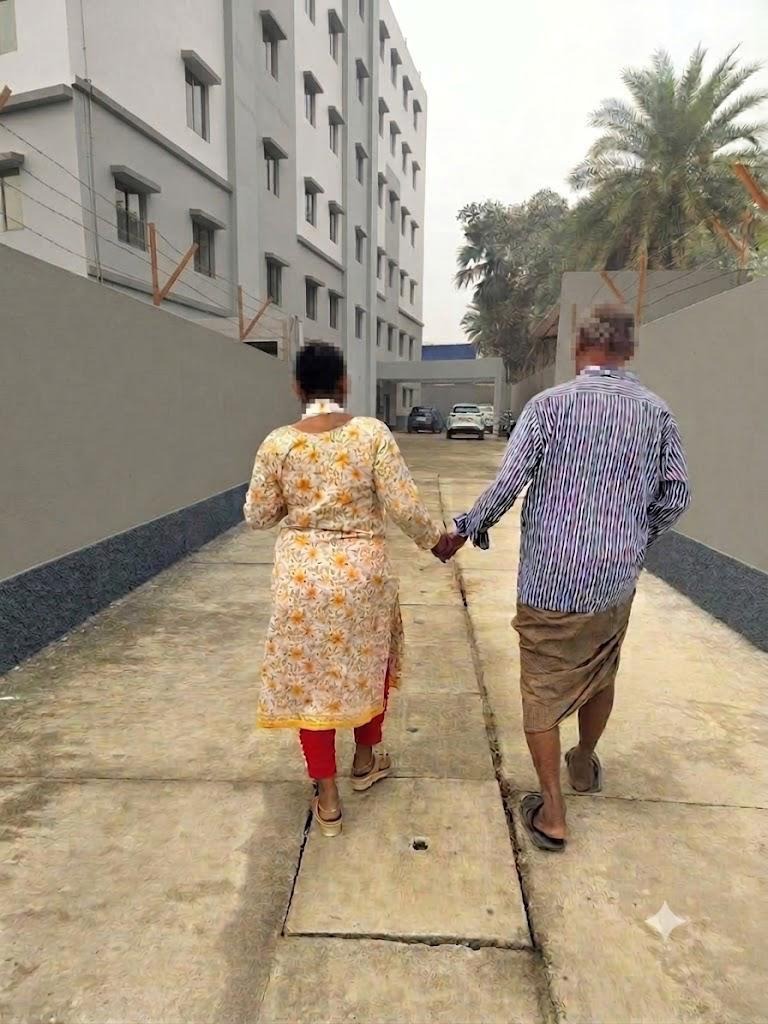
Who cares for the caregivers? Women, welfare and the politics of carework in an old age home
Whenever I take them somewhere. I don’t take them as a patient. They are my grandparents. She is my dadi (grandmother). I have to take care of her. You won’t believe it, the people there (hospital staff) have given me the name ‘Ashram.’ Everyone there knows me. They will see me coming and joke, ‘See,…
Keep reading
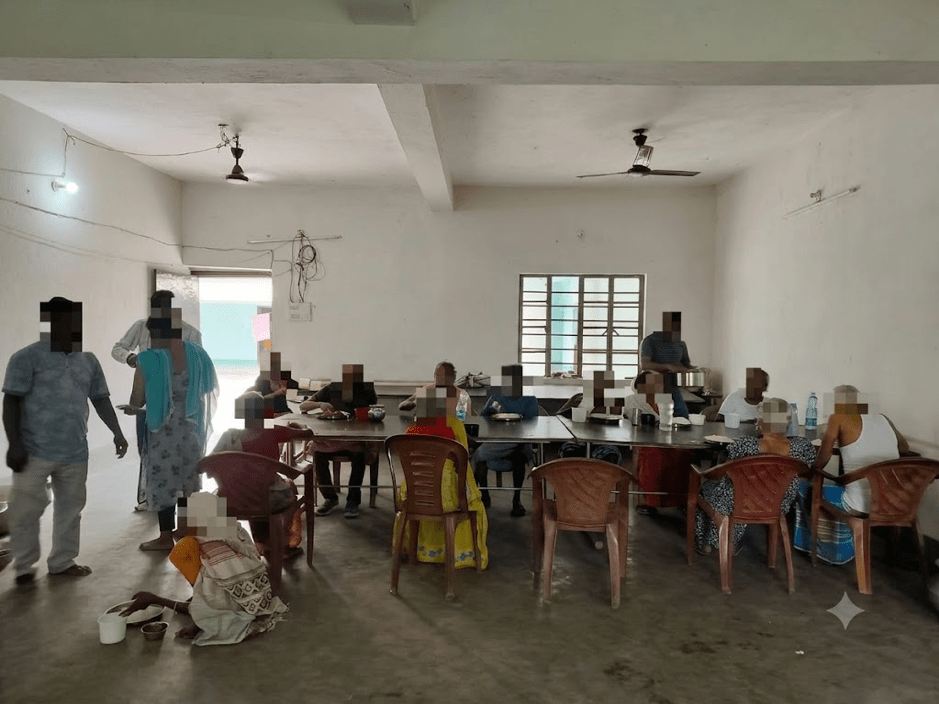
Just like family? Care, life and death in old age homes
Plummeting birth rates, increased longevity, and rising chronic illness are rapidly reshaping India’s demographic landscape. Furthermore, shifting family arrangements – driven by increased migration and nuclearization– force a departure from the idealized reliance on kinship networks. This challenges the long-standing nationalist moral myth of the ‘good old joint family’ as the sole site for elder…
Keep reading
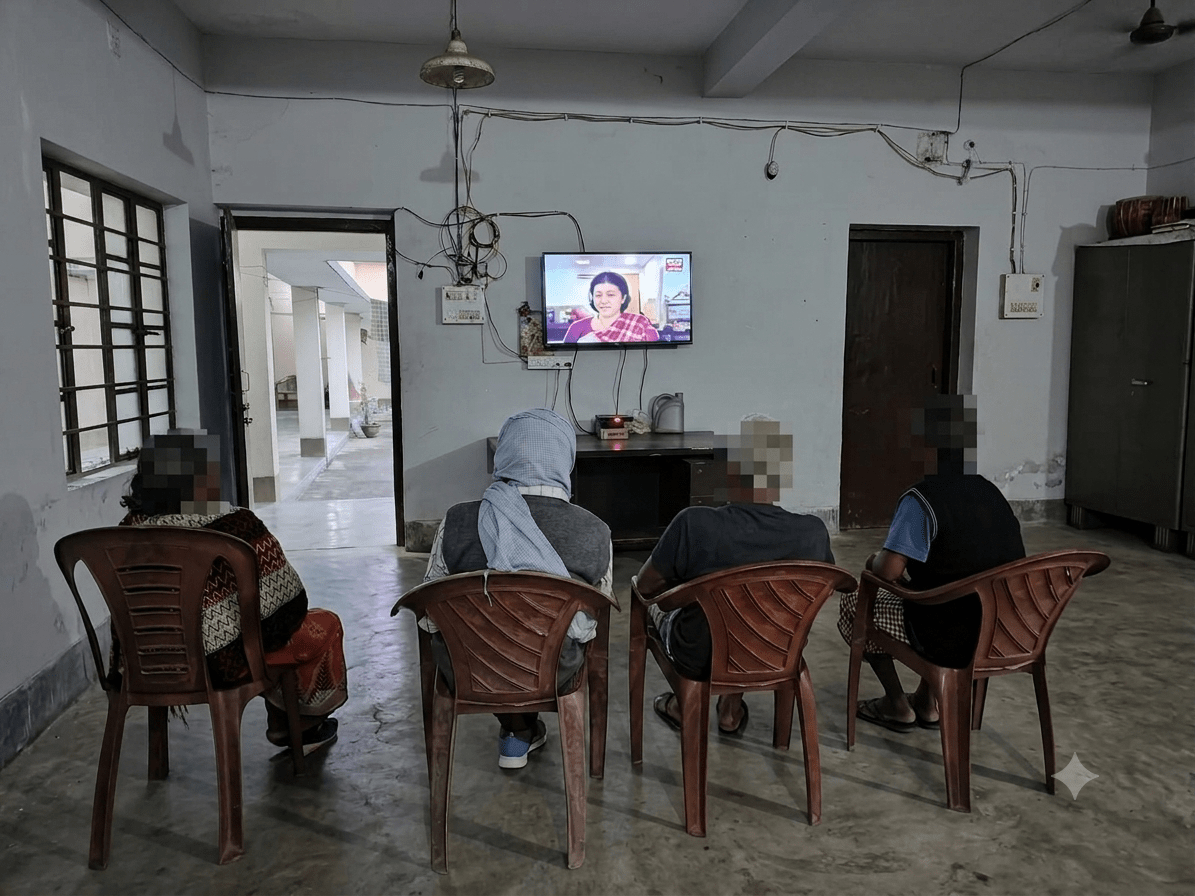
Politics of Ageing in an NGO-managed Old Age Home
I take care of the elderly men and women. I wash their clothes, give them food, water, etc. I bathe them. Whoever is very sick. The ones who cannot get out of bed, whose hands and feet have given up. I help them…. When they defecate, I clean it up..… There was another male resident…
Keep reading

Preparing Learners for Life, Death and Care Through Death Education – Kathryn Radley
In the recent past, the interconnected themes of loss, decay, expendable lives, and affective politics circumscribing death and parting has nudged me to think, write and sometimes go standstill in a state of processing and becoming….. A formal attempt to conceptualize and navigate the manifolds and multi-layers of this loss began with amassing the narratives…
Keep reading
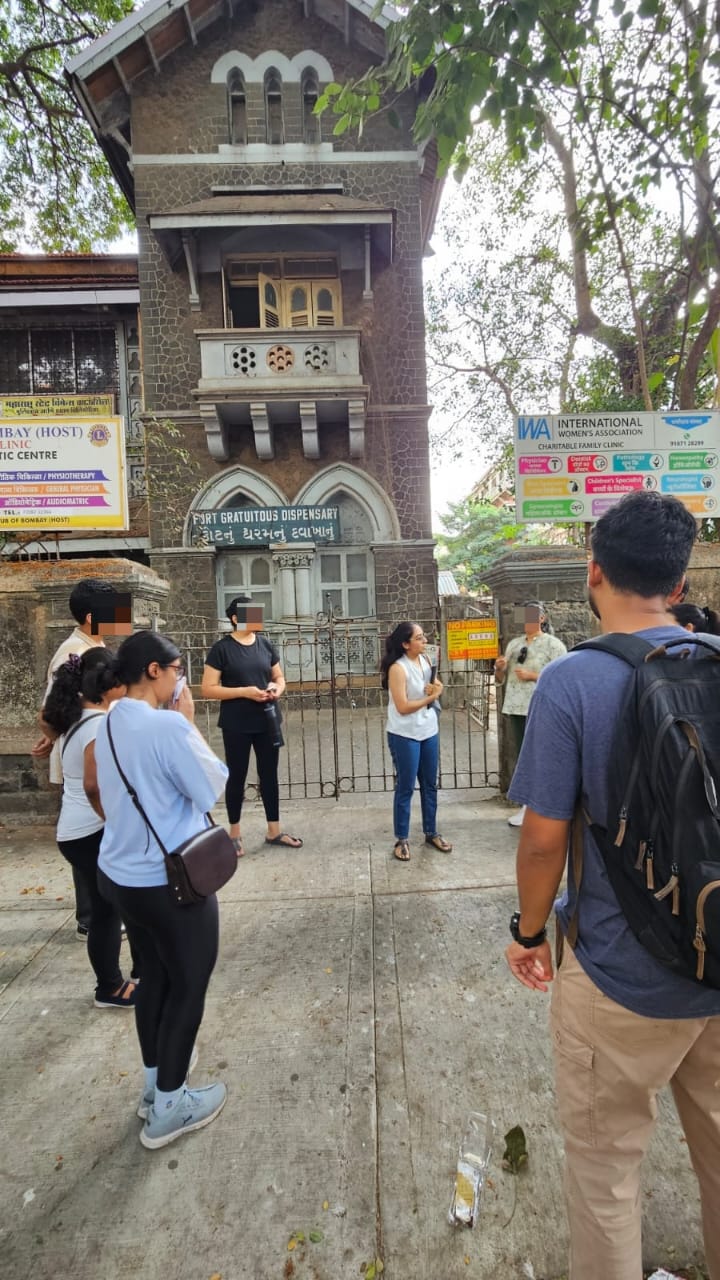
Gratuitous, Curious & Contagious, Shared Breath and Bombay Vitals with Dr. Nirali Patel
On 17th May, Devi joined Nirali’s public health heritage walk, Gratuitous, Curious and Contagious, exploring the medical history of the Fort area of Bombay. Despite the May morning humidity, about twenty of us were hooked for more than two hours with accounts of epidemics and cures – stories that haunt, linger, and surprise. Devi hasn’t stopped…
Keep reading
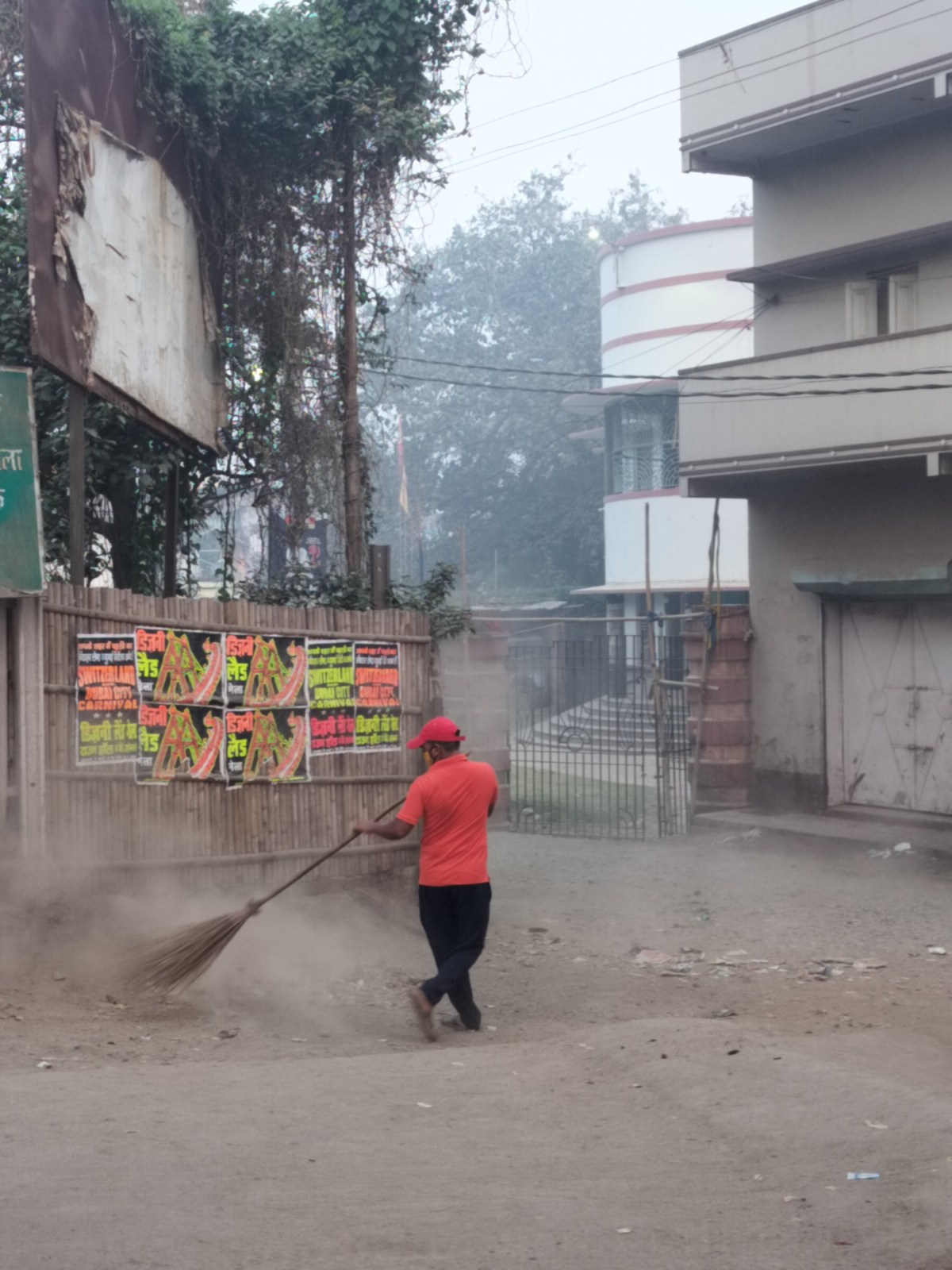
What we are thinking with: From the Sabr Collaborative
Dear Readers, This month, we share recent writings by members of The Sabr Collaborative. These works explore the politics of care, bereavement, and social positionality, which shape our collaborative work. We invite you to read, reflect and engage with this critical scholarship. When the womb turned into a cemetery: An auto-ethnography of silent miscarriage By…
Keep reading
In the Name of Protection: Addressing the Early Conversations Around the Transgender Persons (Protection of Rights) Amendment Act, 2026 – by Meghjit Sengupta
“Why must identity be proven, and why to a specific authority?” The Transgender Persons (Protection of Rights) Amendment, 2026, could be reflected upon as a criminalization process, rather than a positive addition to the charter of rights for transgender and gender non-conforming individuals. The 2019 Act with the same name, even though flawed, provided an…
Keep reading
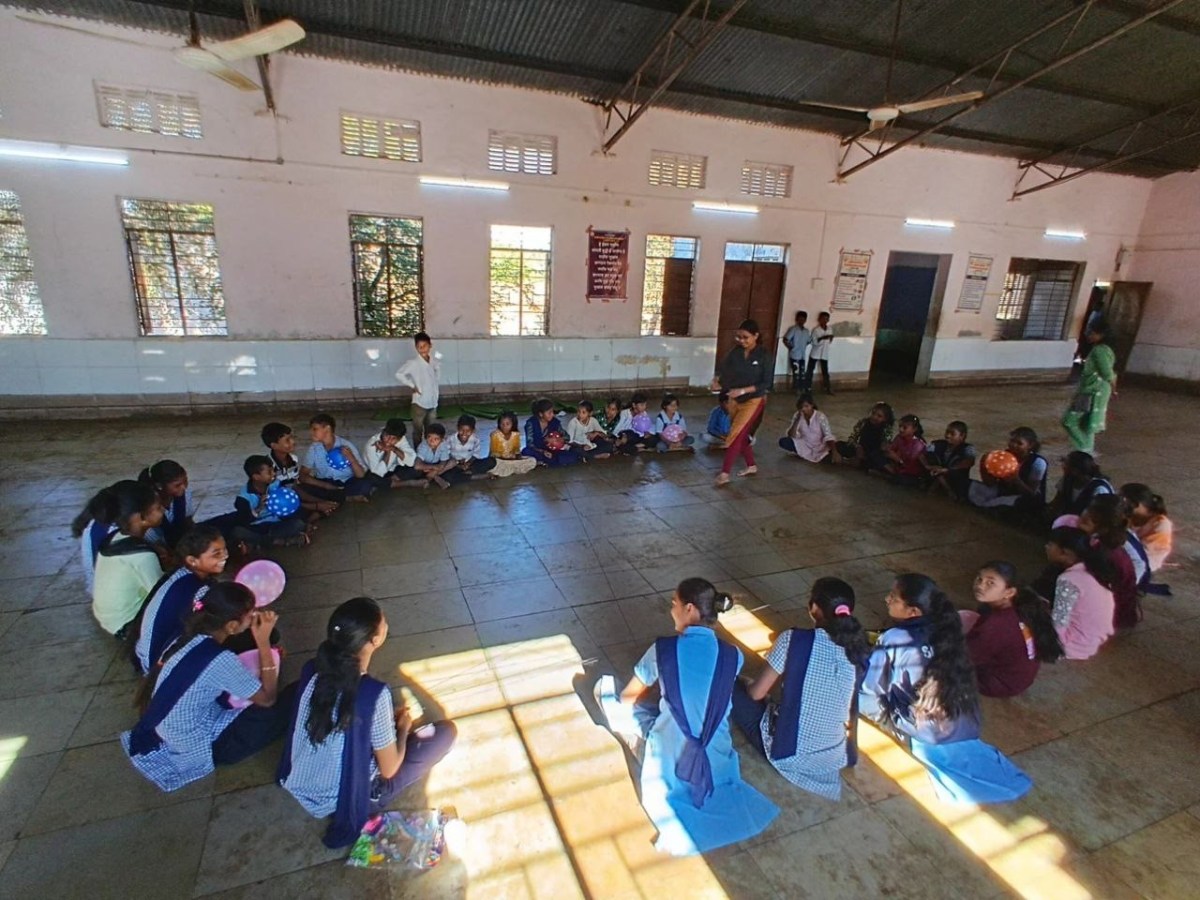
What is Lost Without Being Named – by Aakriti Roy
Aakriti is a final-year medical student at MGIMS Sevagram, Maharashtra. She entered medicine to understand the diseases and the intricacies of the human body, but fell in love with lives and stories that go beyond the development of a Disease and understanding the word ‘Care’ in healthcare. For Sabr’s March edit, Aakriti generously shares her…
Keep reading
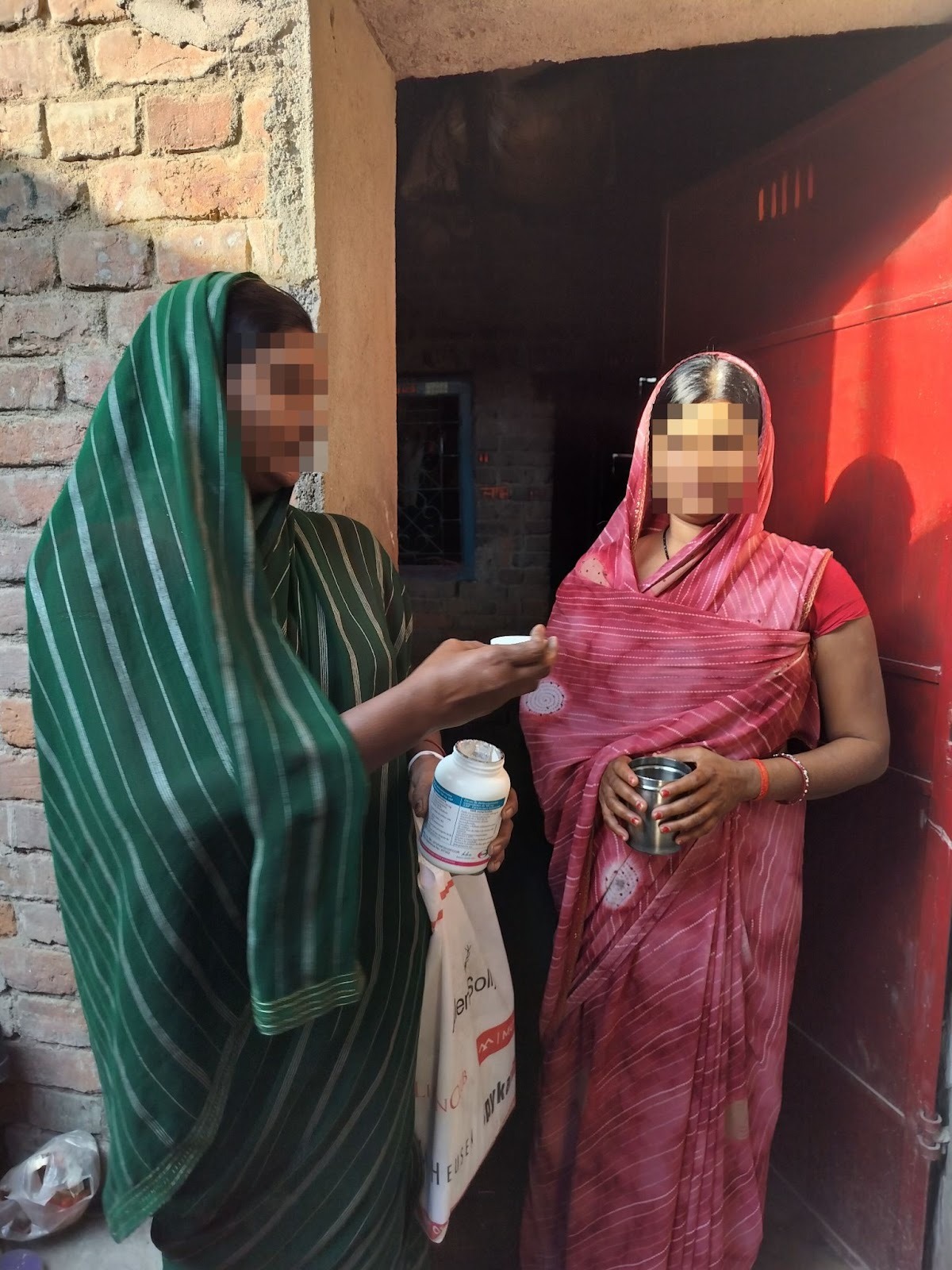
‘Bohot dikkat hai toh kal se kaam pe mat aaiyega’ Frontline heroes and ‘Angels of hope’, yet disposable
‘Humlog ko naukri dene ka arth hi kya hua? Isse acha, hum berozgar hi rehte’ [What is the point in giving us a job? It is better that we remain unemployed.] In a speech by an ASHA worker at a protest site in Kolkata. Earlier, there used to be a lot of delays, sometimes 8…
Keep reading
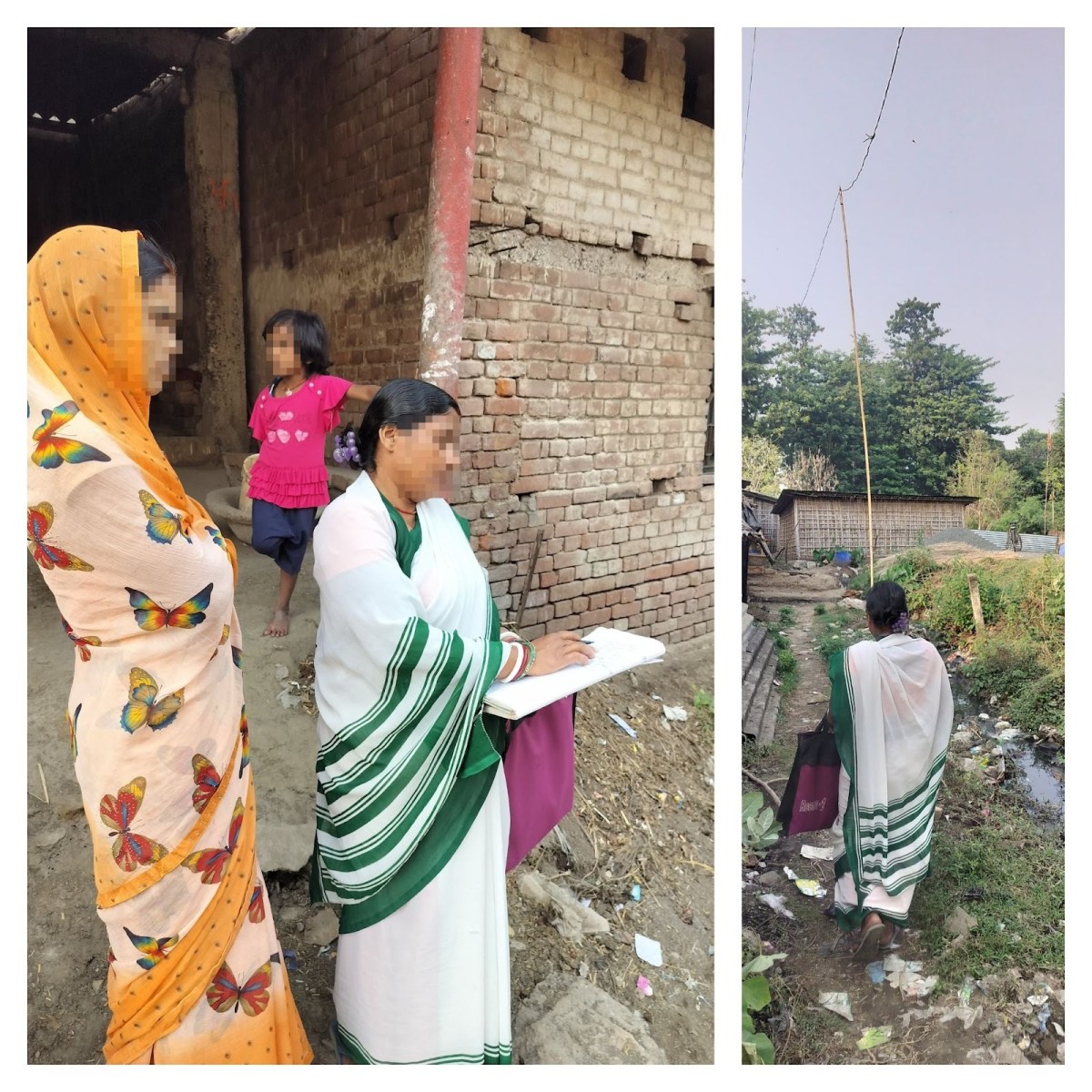
‘The work of a saiyah has no value’ ASHAs and the Price of Invisible Care
“Last time when you gave him that injection, my son had a fever for so many days. I won’t send him again.” Sceptical remarks like these regarding vaccinations and medications are fairly common sentiments that ASHAs navigate routinely. We watched Mridula as she stood by the door, dispelling myths around vaccination, patiently explaining its side…
Keep reading
Something went wrong. Please refresh the page and/or try again.

