
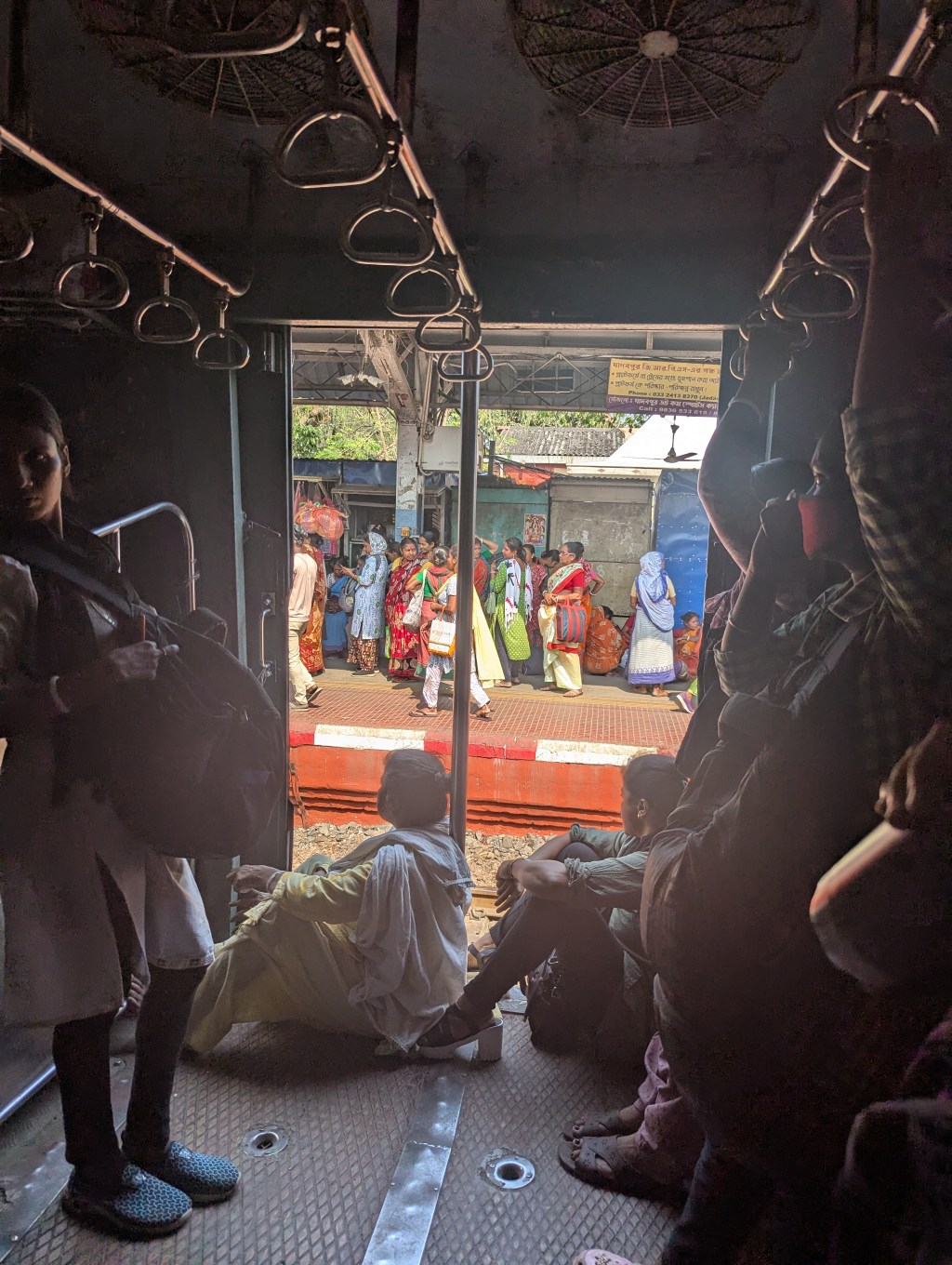
As 2025 draws to a close, I take a few moments to pause and reflect on the diverse, messy, and ever-evolving terrain of care work and thinking with care. I share these reflections on Sabr, recognizing how my own thinking and writing on care has been mediated by quiet reflective spaces of writing entangled with the classroom’s cacophony (and Bangalore roads!), and the deliberative, though stratified, spaces of conferences and workshops.
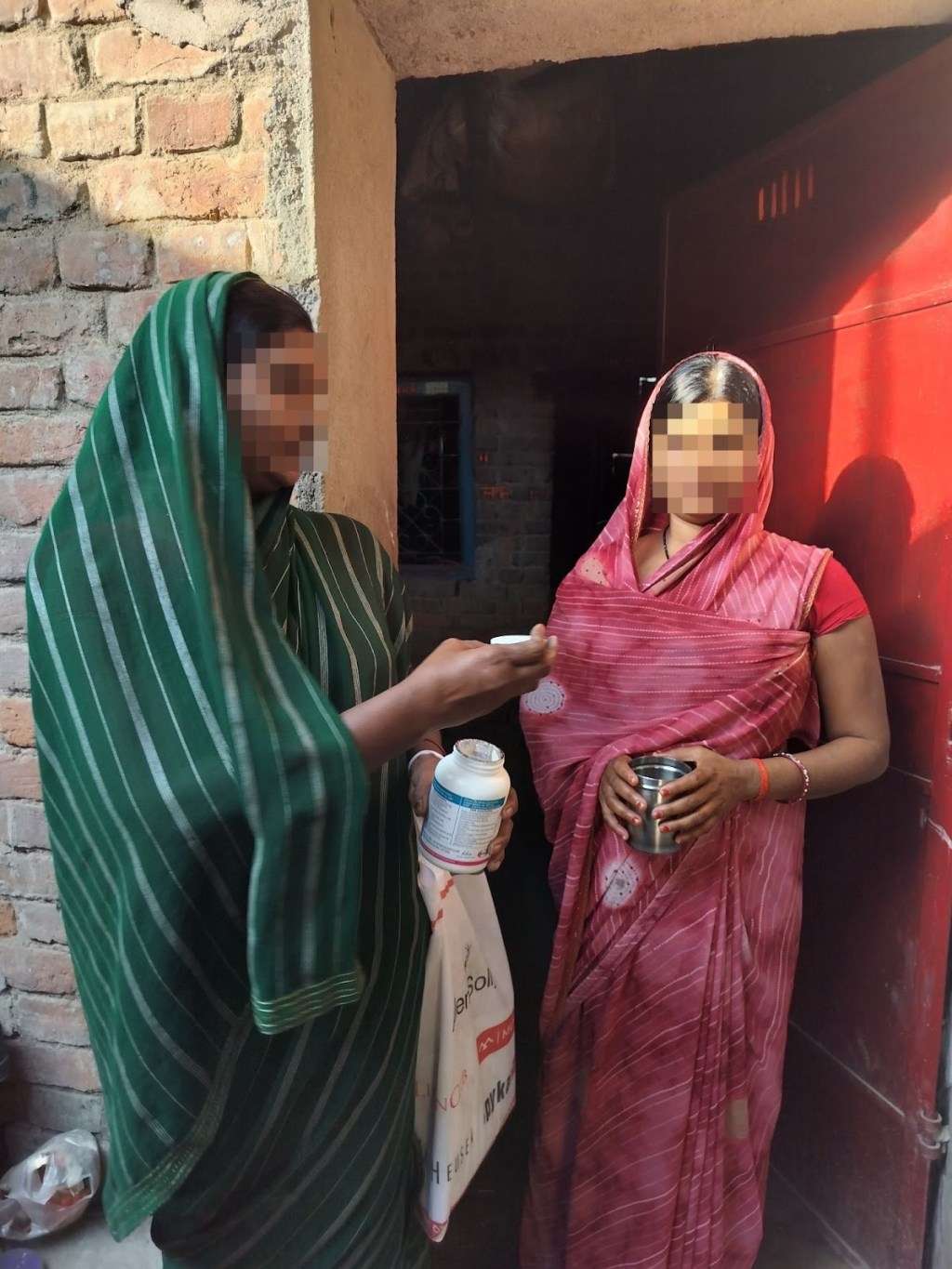
My work continued to build on my doctoral research with ayahs, and expand it into new terrains. I wrote on the complexities endured during end-of-life care, by bodies in progressive trajectories of decline as envisaged by the ayahs— an invisibilized frontline home care force in the cities and suburbs.
In this article, published in January 2025 in Mortality (Taylor & Francis), ayahs examine their experiences with end-of-life patients both in real-time and in retrospect. The work highlights how they provide a unique vantage point to identify “decrepit death,” respectful dying, and care across the life course, knitting together immersion, relational affective care, and “tethered and entwined living.” The article emphasizes that innovation need not be limited to material technologies; rather, it lies in knowledge systems and information flows grounded in social positions.
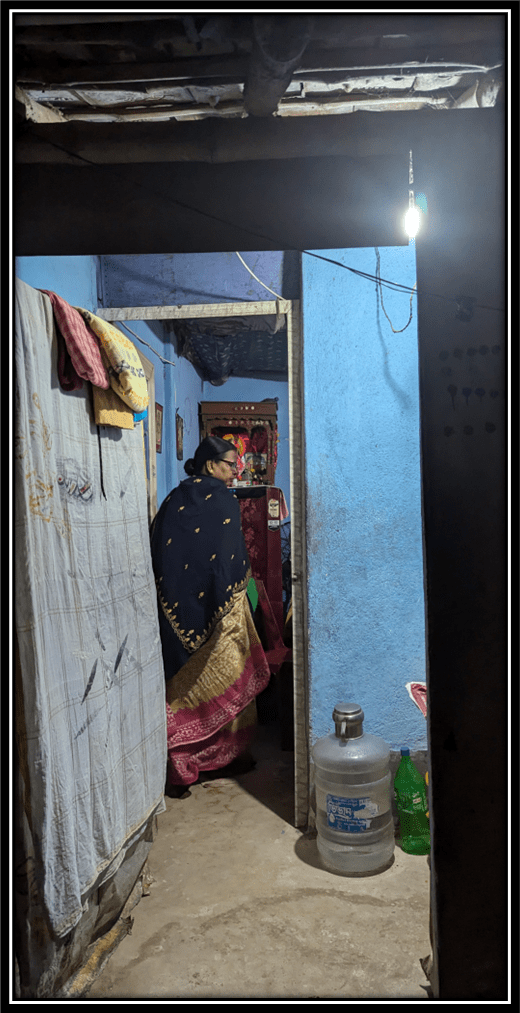
In March 2025, as part of the same study, I contributed a book chapter in the Handbook of Social Justice in the Global South (Edward Elgar Publishing). The chapter upholds the knowledge of ayahs in caring for bodies in later-life adulthood, working towards reconciliation, strengthening intergenerational ties, and treating ageing as a dynamic, dialectical, and competing process. It argues that care justice should represent the rights and labour of care workers, such as ayahs, in organizing care and shaping ageing selves while enduring occupational stigma within a highly medicalized regime and a fragmented ecosystem. It is in this spirit that an “ayah-centred approach” could position ayahs at the heart of such care grids.
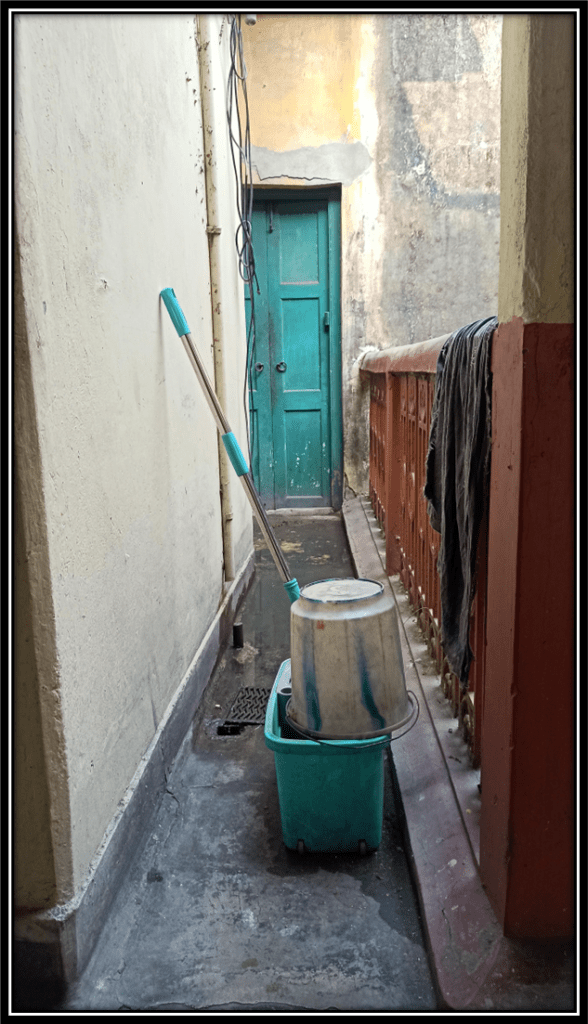
Finally, I also penned a piece for The Telegraph on the mass rape and brutality inflicted on Gisèle Pelicot, explaining why her decision to fight publicly is a landmark for both the women’s movement and the struggle against ageism.
I hope these works dialogue with your own thinking with care. With sabr and solidarity, Sayendri signing off.

 Sabr: A care collaborative
Leave a comment