
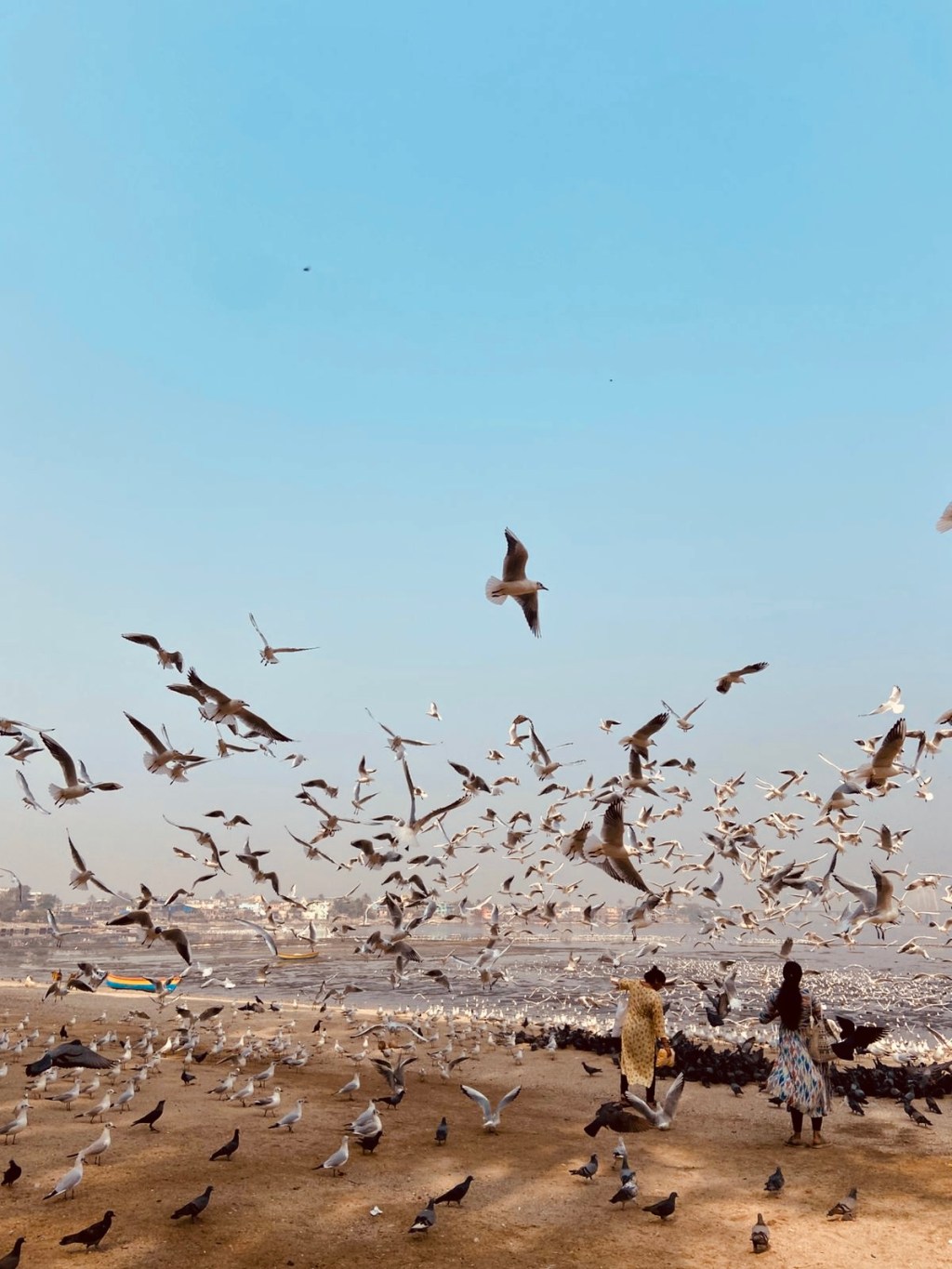
In the May edit for Sabr, and against the backdrop of the large-scale destruction of the Kancha Gachibowli forested area for an IT park, Shardha Rajam and Atreyo Banerjee ask how we can infuse care as an ethical concept to radically rethink legal and justice systems. Shardha and Atreyo begin from the premise that we live in a multi-species world, and these multi-species relations rarely feature in our justice systems. Their provocations are simultaneously philosophical, drawing on ecofeminist scholarship and their own training in law, as well as intimate, arising from lived experiences. Thus, care is emotional and affective, but it is also metabolic and ecosocial.
For a justice system that seems utterly deprived of compassion and empathy, how do we center the question of care? How do we recognize the care work that more-than-human life does? How do we move beyond justice paradigms that view the environment as resource stocks to be regulated and governed in the service of human extractivism and exploitation? What happens when nature resists?
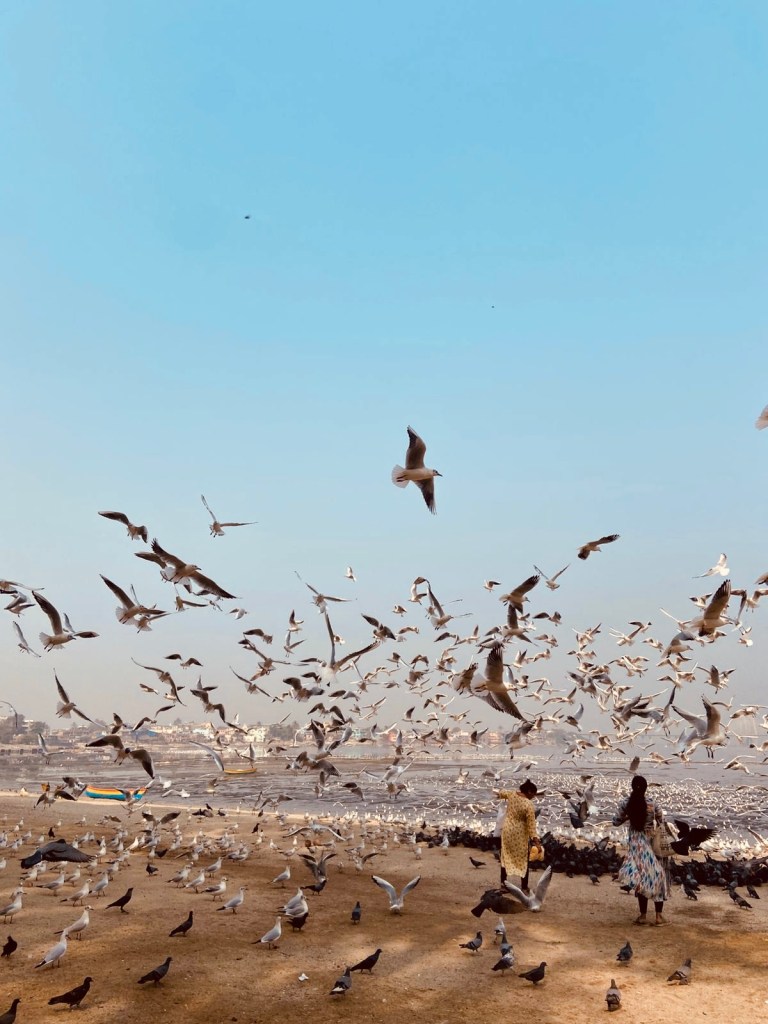
Atreyo and Shardha remind us with clarity and urgency that dominant visions of the natural world are obnoxiously anthropocentric. Yet, what they demand is not a mere tokenistic, add-and-stir variety of ‘inclusion’ of more-than-human relations. They ask us to wake up to the immense forms of metabolic labor at the interspecies level that enables us to exist and make our lives possible.
At Sabr, we have been so inspired by their ideas of collaborative more-than-human resistance.
Can the forests come into the courts, or the courts come to the forests immediately? asks Atreyo.
We increasingly see [people in urban spaces] treat dogs as spectacles… That means you have not grown up, or you don’t think of more-than-humans as companions; you think of them as spectacular others. “Can I stop and take a picture with this?”… These personal reflections encouraged us to start thinking of these questions within the law. – Shardha.
What happens when the forest speaks for itself? What when trees and rivers assert their rights?
This conversation with Sabr is an opening and an invitation to rethink our place in the world. You are invited to listen, to reimagine.
In this conversation, some of the books we referred to:
Atreyo refers you to Radhika Govindrajan’s Animal Intimacies.
Shardha also shared the brilliant Song of the Cedars which has been playing on loop for us. The More than Human Life (MOTH) project submitted a petition to Ecuador’s copyright office demanding that Los Cedros forest be given formal credit as the co-creator of the Song of the Cedars.
What does more-than-human care mean for you? How does it shape how you have been thinking of care? Of justice? How does the more-than-human or the other-than-human help us radically reimagine inhabiting this bitter earth? Do share your thoughts with us.
Shardha Rajam works with the Asia Pacific Forum on Women, Law and Development, a regional feminist organisation on labour and migration issues.
Atreyo Banerjee is a Curator at Agami, where he co-leads the Environmental Justice Innovation Mission. He has been associated with the National Law School of India University as visiting faculty, where he has taught Politics and Law in the Climate Crisis.
With Sayendri and Devi.
Video Edits: Shaima C.


 Sabr: A care collaborative
Leave a comment