
For Sabr folks, here is a conversation between Professor Mukta Kulkarni, Indian Institute of Management Bangalore, and Shanti Raghavan and Dipesh Sutariya, co-founders of EnAble India. Enable India is an organization that works to strengthen livelihoods of people with disabilities.
This conversation explores how we can reimagine engagement with and collective organization around caring for individuals with disabilities.
Mukta Kulkarni: We hear the word ‘care’ and it seems to evoke different ideas and emotions among people. What does ‘care’ mean to you?
Shanti Raghavan: Based on my work at EnAble India, let me share some examples to help explain what care means to me in the context of disability.
First, let me talk about care by a person. This could be a caregiver for someone who has some functional limitations or a disabling condition. One of my colleagues has multiple disabilities and needs assistance with basic hygiene tasks. For example, when he uses the restroom, a caregiver is there to support him. To ensure his privacy and dignity, the caregiver uses a blanket to shield their view, so that the colleague feels respected and comfortable during such a personal moment. For me, this goes beyond just providing the necessary care; it’s about showing respect and maintaining the person’s dignity throughout the entire process. It’s not just about meeting physical needs but also treating the individual with the care and consideration they deserve.
Next, I can think about care by an organization. At EnAble, we’ve empowered our colleagues to advocate for their own needs, which allows them to contribute their best work to the organization. For example, one of my colleagues is currently dealing with sleep issues and finds that taking a quick nap at her desk helps her recharge. She only needs about 5 minutes, once or twice a day, to feel more focused. Instead of trying to hide it or feel embarrassed, she has put up a small sign that reads, “If you see me resting, don’t worry—I’m not sick, I’m just taking a quick nap.” This ability to advocate for her own needs is a perfect example of the culture of care we’re fostering in our organization. It’s not just about supporting the individual; it creates a positive ripple effect. By giving her the space to take care of herself, we’re helping her stay productive, which benefits her family, her colleagues, and the organization as a whole. It’s a win-win for everyone. Think about how her productivity also helps us, she actually reciprocally cares for us.
Third, we could conceptualize care in times of stress. Let me illustrate this with an example. During a big event at our center in Jharkhand, with over 100 people attending, the main coordinator received the news that his father had suddenly become critically ill back in his hometown. Understandably, he was unsure about what to do—he felt torn between his responsibilities at the event and being with his family during such a crisis. But without hesitation, the team stepped in and told him to go, assuring him that we’d handle the event and that he didn’t need to worry. This kind of support, especially in such a stressful and emotional moment, is a real example of care in action. It shows that care isn’t just about physical needs or even work tasks—it’s about being there for each other, emotionally and practically, when it matters most. By prioritizing his well-being and family over work, the team, some who are persons with disabilities themselves, expanded the idea of care, demonstrating that true care is holistic and supportive in all aspects of life.
Systemic care is the fourth type of care I’ve seen in action, and it’s about how an entire organization can build care into its very structure. It’s about putting processes in place that ensure everyone is looked after, no matter what. One great example of this at our organization is the Staff Welfare Fund, which is managed by an elected staff committee. This fund provides low-interest loans—just 3% over three years—to staff members for personal situations like dealing with a death in the family, getting married, building a home, or buying a vehicle. What’s powerful about this is that care isn’t just something that happens on an individual level or through small gestures—it’s built into the system. It’s a structured, intentional way of making sure everyone has the support they need when life happens. This approach really expands the idea of care, because it shows that care can be embedded into the very fabric of an organization. It’s not just a nice-to-have; it’s a crucial part of how we function, ensuring that employees are supported in meaningful, practical ways. It’s care on a systemic level that benefits everyone, strengthening the organization as a whole.
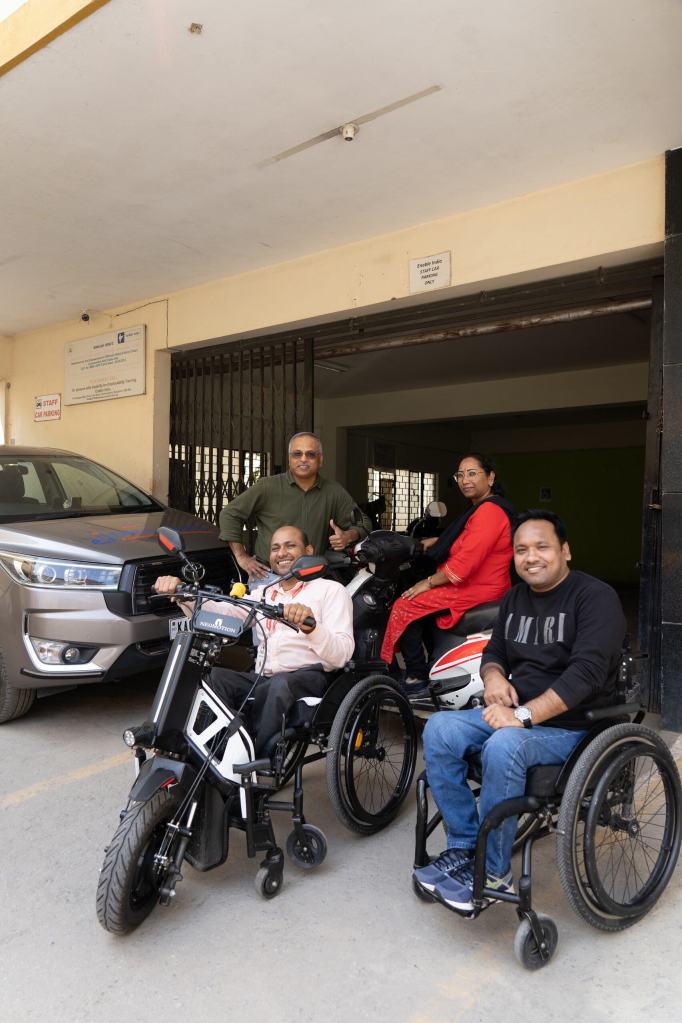
Finally, self-care is absolutely critical. In our busy lives, juggling family, work, and other responsibilities, it’s easy to forget to take care of ourselves. We’ve built self-care into our culture through a performance appraisal tool called SPICE. The “S” in SPICE stands for self-development and self-management. We truly believe that if someone isn’t taking care of their own well-being—whether it’s their health, finances, or emotional needs—they can’t perform at their best.
As part of this process, we ask our colleagues to evaluate how well they’re managing these aspects of their lives. Then, they make an “I will” pledge to improve something in the next three months. It might sound simple, but the pledges we’ve seen are truly eye-opening. Some colleagues have written things like, “I will eat breakfast on time” or “I will drink more water.” These small yet powerful commitments highlight how easy it can be to overlook our own basic needs.
This approach expands the idea of care because it shows that self-care is not just a personal responsibility but also an essential part of contributing to a larger community. When individuals prioritize their own well-being, they’re not just benefiting themselves—they’re also better able to contribute to the success and well-being of their colleagues and the organization as a whole. It’s a reminder that caring for yourself is a fundamental part of caring for others.
To me, overall, care is at the core of being human. It also defines our humanity. Care is not about being caring at the workplace but caring for all aspects that are also sometimes outside of the scope of work.
Mukta Kulkarni: Thank you, Shanti. So, you have outlined several dimensions of care. First, we looked at care by a person, where it’s not just about providing physical support, but about offering respect and dignity, especially in vulnerable moments. Then, you discussed care by an organization, where creating a culture that empowers individuals to advocate for their own needs is key to ensuring everyone can thrive. You also touched upon care in times of stress, where the support shown during personal crises demonstrates the depth of care within a team. Systemic care was another important theme, where the organization embeds care into its processes. Finally, you discussed self-care, highlighting the importance of individuals managing their own well-being to perform at their best. Each of these types of care expands the idea of what care can be, showing that it’s not just about meeting basic needs, but about fostering dignity, support, respect, and well-being in all aspects of life.
Dipesh, you have worked with Shanti for the last 25 + years in this field. What is the one key takeaway from your extensive work that organizations should focus on toward inclusion for persons with a disability?
Dipesh Sutaria: The key takeaway for me has been this: work on your Includability Quotient™ to maximize the value of yourself, your family, and others. As you summarized, we have to focus on dignity, support, respect, and well-being in all aspects of our lives.
Care is thoughtful inclusion. Care is about normalizing differences.
Very simply put, IncludAbility, which we developed some time ago, is the competency to normalize differences. It’s about looking past a difference and truly relating to the person, no matter who they are—whether that person is a colleague, a friend, or even your own child. It’s about focusing on people’s strengths, including your own, and finding solutions to their or your weaknesses. This isn’t just a nice concept—it’s a practical approach that can help you build stronger, more inclusive relationships.
To me, if you do this for yourself and others, it naturally leads you to be more inclusive of persons with disabilities. When you focus on the person behind the disability—when you see and understand who they really are—you can connect with them on a deeper level. By working with their strengths and focusing on solutions to their challenges, you can maximize their potential and get the best out of them. This approach not only enhances the value of the individual but also creates a more inclusive and supportive environment for everyone.
Let me give you an example of what I am saying.
Let’s say you’re working on a team where one of your colleagues has a visual impairment. Rather than simply accommodating them by providing screen readers or other tools, you take the time to understand how their disability impacts their work on a deeper level. For instance, you might notice that while they excel at strategic planning and can see the bigger picture, they struggle with visual-heavy reports that require detailed analysis of charts or graphs.
Instead of focusing on the disability, you see the person behind it—their strengths, their passion for problem-solving, and their deep insights. We have several such wonderful colleagues at EnAble. You engage with them to understand how they can best contribute. Maybe they prefer verbal summaries of reports rather than reading through them, or they excel in using tools that convert data into spoken information. Instead of assuming they need to adapt to a specific way of working, you adapt the way you work to better utilize their strengths and overcome challenges.
For example, you might restructure team meetings so that reports are shared verbally, or you might collaborate on a solution where the team presents key data points verbally rather than visually. This allows them to shine in their area of strength without being limited by a method of communication that doesn’t work for them.
By focusing on their strengths and collaborating on solutions that work for everyone, you unlock their full potential. And this doesn’t just benefit that individual—it improves the team dynamic, fosters a culture of inclusion, and creates a more supportive, innovative work environment. Everyone on the team, including those without disabilities, can now approach problem-solving in more creative ways because the focus is on strengths and solutions, not limitations.
Mukta Kulkarni: I agree with you, Dipesh. When we focus on what each person brings to the table, we create an environment that doesn’t just support individuals with disabilities but really brings out the best in everyone. We can encourage teamwork, spark creative problem-solving, and help build a culture where everyone—no matter their abilities—has the chance to thrive. Care is indeed about thoughtful inclusion and normalizing differences.
Thank you very much, Shanti and Dipesh, for taking the time to speak about this topic.
Mukta Kulkarni is a Professor at the Indian Institute of Management Calcutta. She is interested in workplace inclusion of persons with disabilities. She held the Mphasis Chair for Digital Accessibility and Inclusion at IIM Bangalore.

 Sabr: A care collaborative
Leave a comment