
To think through and with care is a conscious position of knowing the world with the intention of addressing its injustices1. Care is an umbrella term that predicates concerns of children and adults with immediate needs and, at the same time, covers the long-term, everyday needs of people, the environment and the community. Millions of care workers keep communities alive, reproduce social relations, and create viable forms of existence. Such enquiries on care render it an ethical-moral subject. Care work includes a gamut of relational, non-relational activities and sometimes both. These are works in the healthcare sector performed by medical professionals, elder care workers, child care workers, domestic workers, social workers, or sex workers. It defies binaries such as the formal and informal economy and paid and unpaid work2. Care work is shaped by class, caste, gender, and sexuality, determining the nature of the work and the social status of the caregiver. These complicate the conceptualization of care labour.
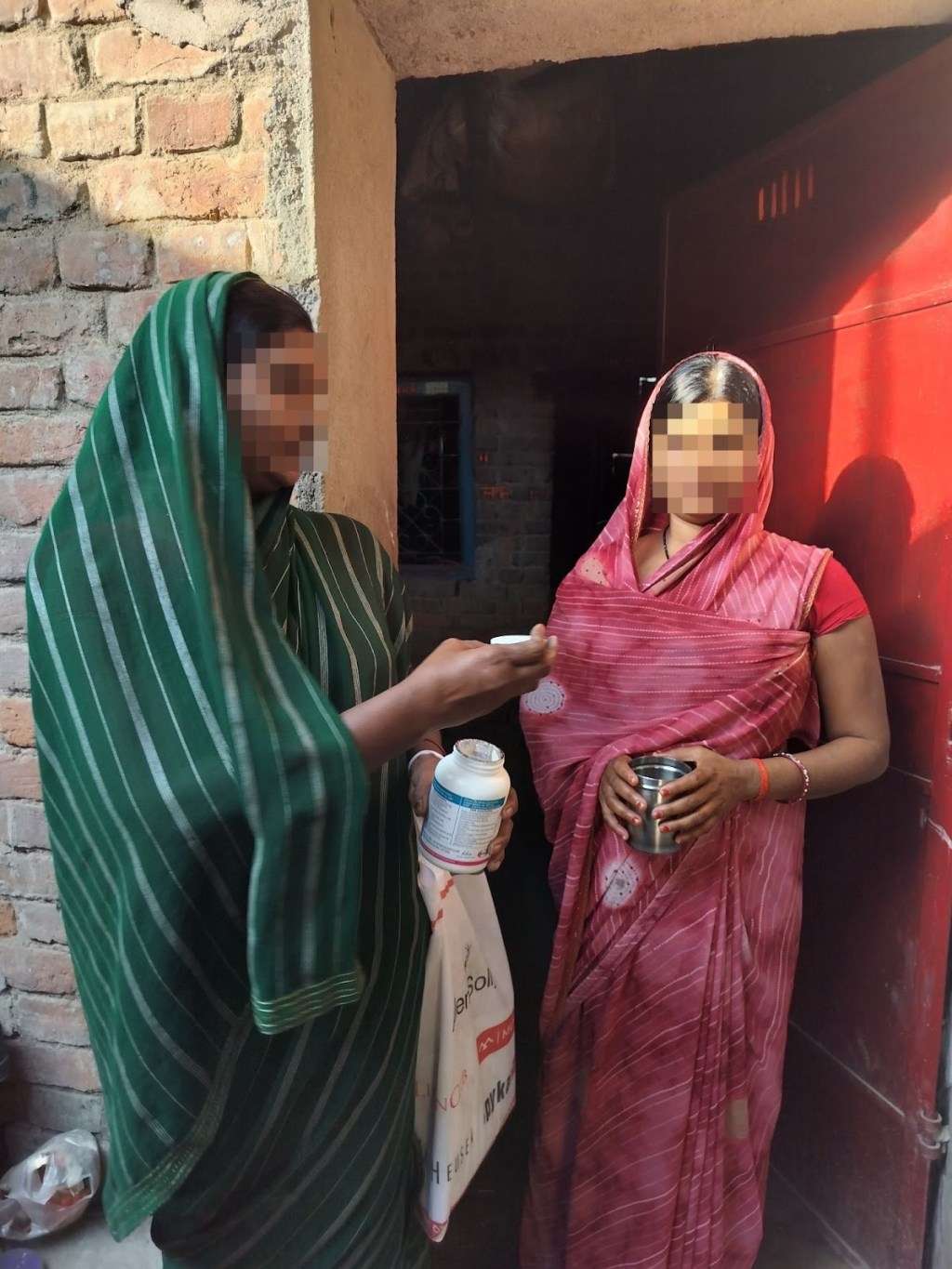
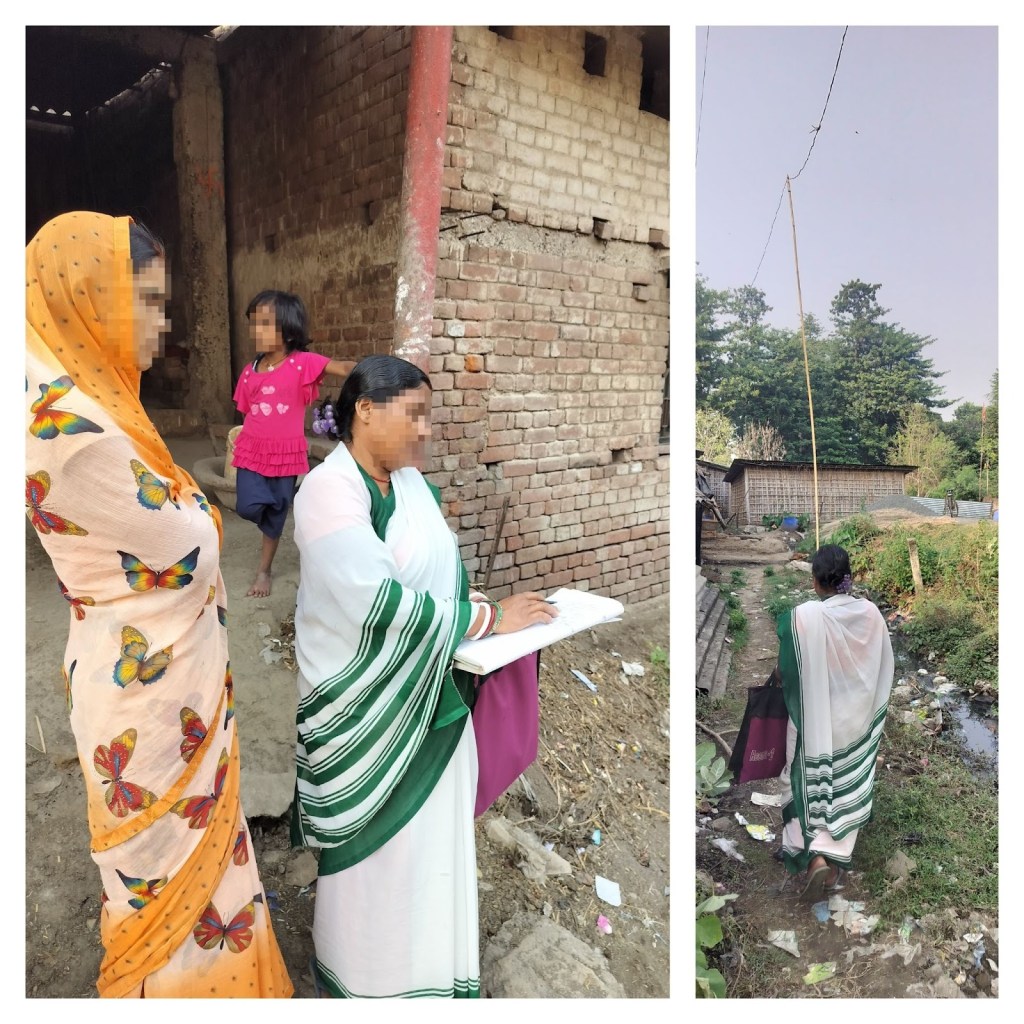
To create a more caring and care-ful world, we must recognise and value the emotional and physical demands of care work. Consider how crucial public health functionaries such as Accredited Social Health Activist (ASHA) workers have been on strike for minimum wages (see here and here).
We use Sabr, rooted in a politics of patience, as a lens to understand how care workers navigate their work while fulfilling complex human needs amidst social, physical, and emotional challenges. Sabr could perhaps guide us to face the challenges and hurdles of life with hope and commitment.
While exploring the various experiences of care workers, we can focus on when, why, and how they slow down, listen attentively, and understand the stories and needs of those they care for. While doing this, we learn what sabr is, how care workers practice it, and why it is essential to creating a caring and careful world.

 Sabr: A care collaborative
Leave a comment